Classic theme option panels had a long run. For many teams in 2026, Elementor-centric themes won because client edits moved from “ask the developer” to “change the section yourself.” That only works when the theme is built for that workflow—not merely labeled compatible. This article compares approaches honestly: Elementor-first themes versus classic option-heavy themes, and where TreeThemes products like Deep, Brandberry, and Hazel fit in real delivery.
What Elementor-first should mean
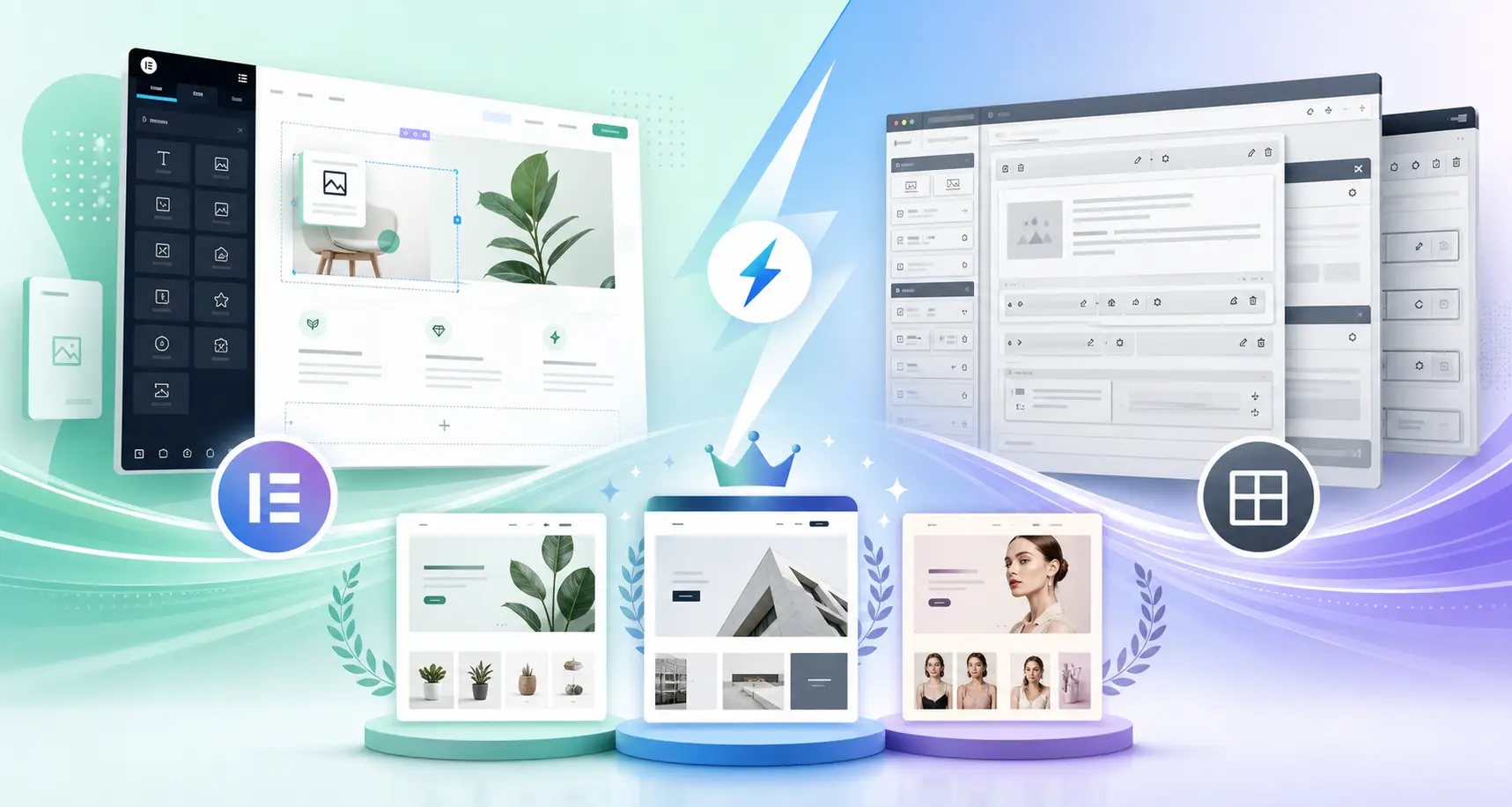
A truly Elementor-first theme treats the builder as the design system. Headers, footers, archive layouts, and marketing sections are meant to be edited visually. Global styles are first-class. Templates are the product, not an afterthought.
A classic theme that “supports Elementor” often still expects you to live inside opaque theme options for logo slots, header behaviors, and blog layouts, while Elementor only covers mid-page content. That split creates two mental models and twice the training cost for your team and your client.
When you evaluate demos, notice where you make changes. If half the brand decisions still live in a theme panel unrelated to Elementor, you do not have an Elementor-first workflow—you have a hybrid that will confuse handoffs.
When Elementor themes win
They win for marketing sites that change campaigns monthly, agencies standardizing on one builder, clients who edit copy themselves, and landing pages that must ship this week. They also win when your design system is expressed as reusable containers, sections, and global tokens.
In those contexts, speed-to-edit beats purity of PHP templates. The business value is fewer bottlenecks between approved copy and a live page—especially when marketing wants to test headlines weekly without waiting on a sprint.
When a classic stack can still make sense
Highly constrained brochure sites with almost no layout change can stay simpler. So can projects where the team already owns a mature classic workflow and does not want to retrain. The cost is not the theme license—it is process change and how junior staff learn the stack.
If your deliverable is mostly custom Gutenberg blocks maintained by engineers, Elementor may be the wrong center of gravity. Choose intentionally and write the decision into the proposal so stakeholders stop asking for “just Elementor like the last site” without budget.
How Deep, Brandberry, and Hazel differ
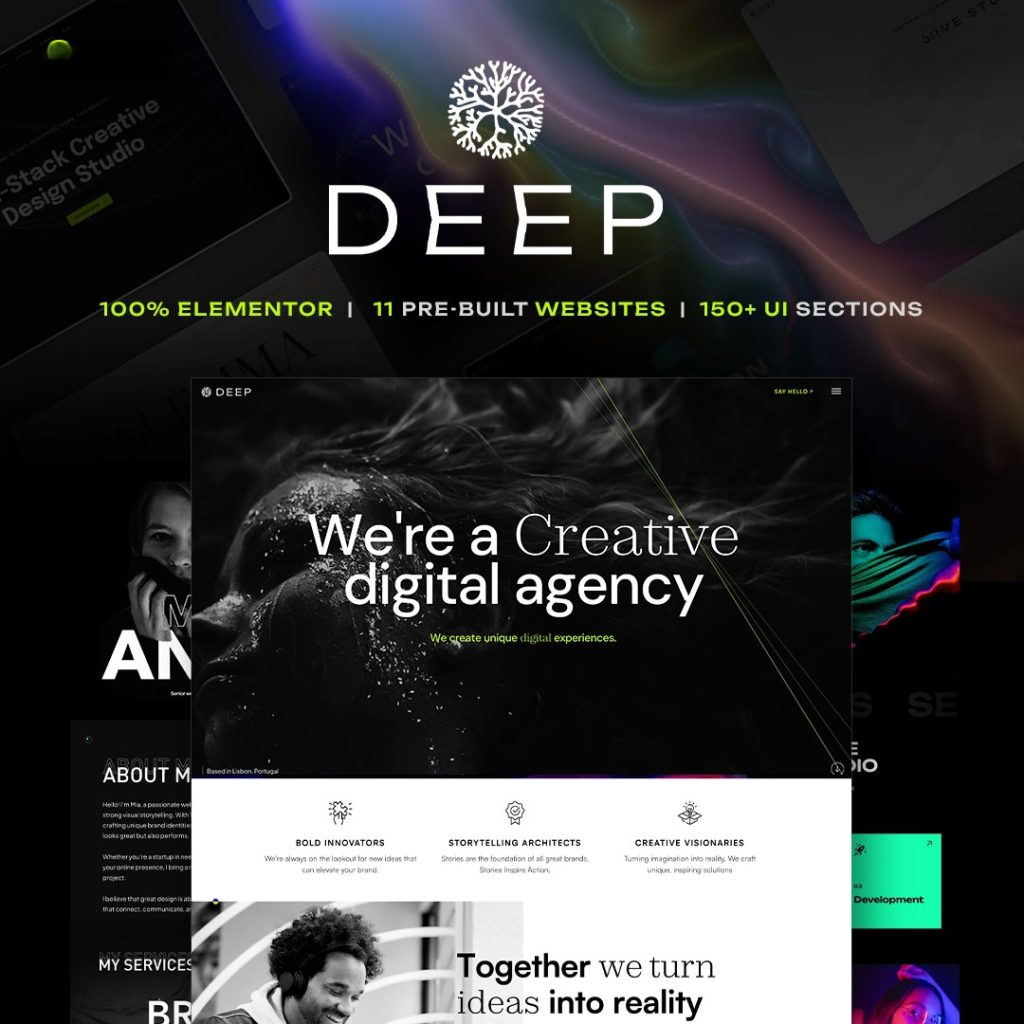
Deep leans creative: expressive sections, portfolio energy, and room for motion when you want presence—not decoration for its own sake. It fits studios and brands that sell taste.
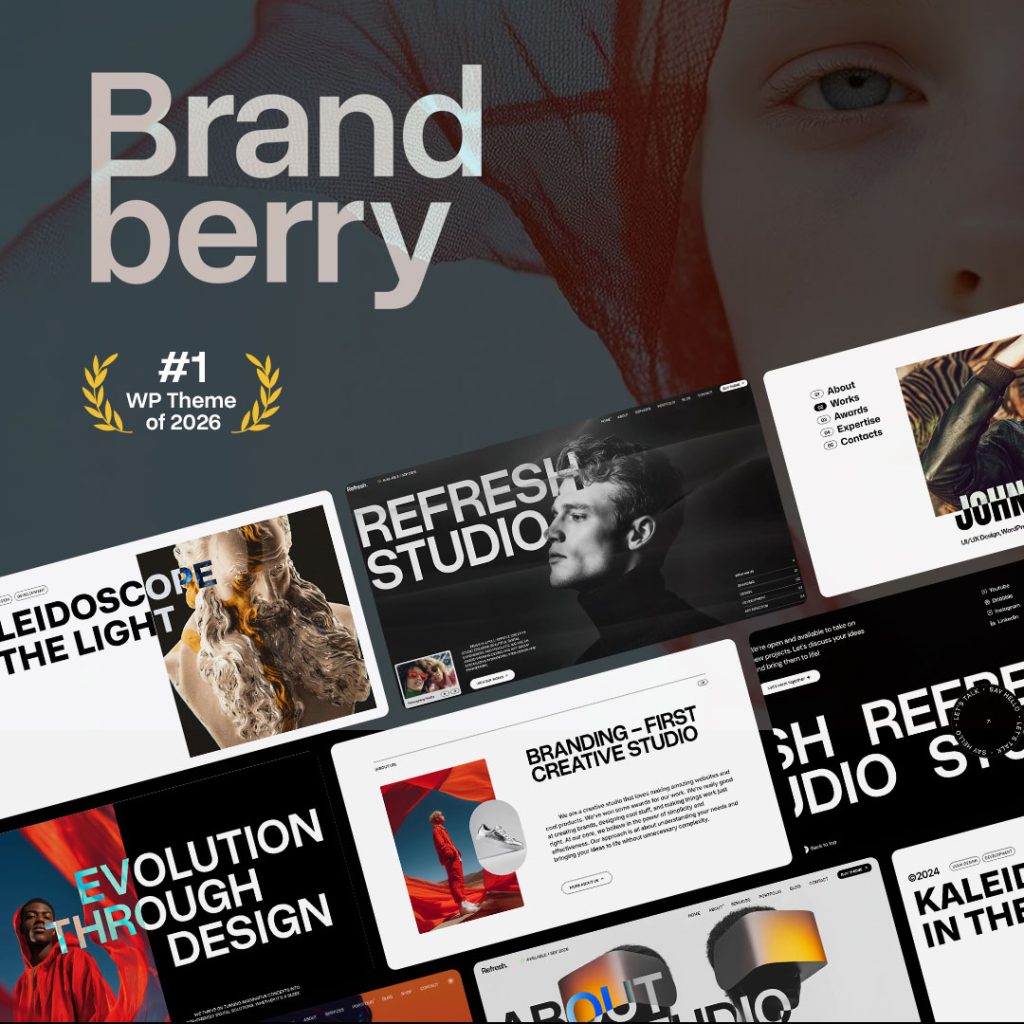
Brandberry is built for brand storytelling and offer-led pages. If the homepage must sell clearly, this lane usually fits. Campaign energy is a feature, not an accident of the demo.
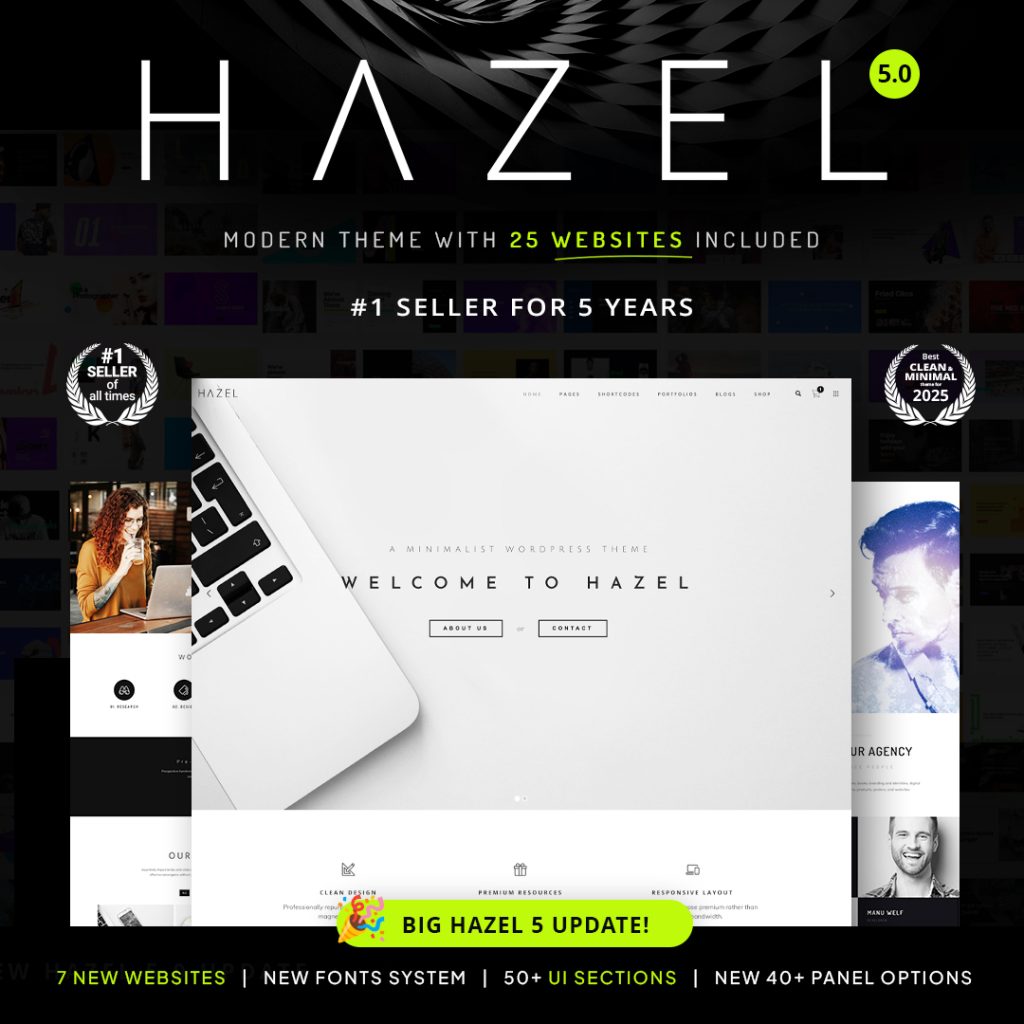
Hazel is the restraint play: multi-purpose layouts that stay calm when the brand is typography-led or the client distrusts busy motion.
Adjacent options like Resonance emphasize agency proof structures. The point is picking a personality that reduces redesign friction after kickoff.
Performance reality check
Builders are not free. The win is editability; the bill is JavaScript and CSS weight. Disable unused widgets, avoid stacking animation frameworks, optimize images before upload, and cache anonymous pages carefully—never cart or checkout dynamics.
Lab scores can look heroic while add-to-cart breaks. Treat conversion paths as part of performance QA, not a separate workstream you will get to later.
Migration note
Moving from WPBakery or Divi into Elementor is less about import and more about rebuild-with-intent. Shortcodes do not translate cleanly. Budget for content mapping and QA. If you need help, see our services.
Team training implications
Every stack has a learning curve. Elementor-first themes reduce PHP template work but require standards: naming templates, using global styles, and avoiding one-off overrides. Classic stacks may feel familiar to senior developers while leaving marketing dependent on tickets.
Write your choice into onboarding docs. New freelancers should know where headers live, which widgets are approved, and which animation features are banned on client sites. Without standards, Elementor freedom becomes inconsistency across the portfolio.
If you standardize on TreeThemes Elementor products, keep a short internal matrix: Deep for creative, Brandberry for offers, Hazel for calm multi-purpose, Resonance for proof-led portfolios. The matrix speeds pitching and reduces bike-shedding.
Next steps
If your team already thinks in sections and global styles, Elementor-first themes will feel native. Browse the catalog and pick personality over trend. When unsure, ask us which product matches your brief.
How TreeThemes thinks about this
We build and support premium WordPress themes for people who ship real client work—not disposable demos. That means we care about licensing clarity, Elementor workflows, and practical performance as much as visual polish. When you use our catalog, you are choosing a product line meant to survive revisions, handoffs, and the messy middle of real projects.
If you want a second pair of eyes on your stack—theme choice, setup, or customization—reach out. We would rather help you pick once than watch a rebuild become inevitable.