


The most common question we hear is not “which theme looks best?” It is “should I buy one theme or get access to everything?” The honest answer depends on volume, risk, and how you sell work—not on FOMO from a sales page. This guide helps freelancers, agencies, and in-house marketers choose cleanly between a single TreeThemes product and an All Access-style catalog pass.
Buy a single theme when
You have one clear project and one clear aesthetic. You are unlikely to launch another site this year. The client pays for a specific product line item. You want the simplest licensing story on the invoice.
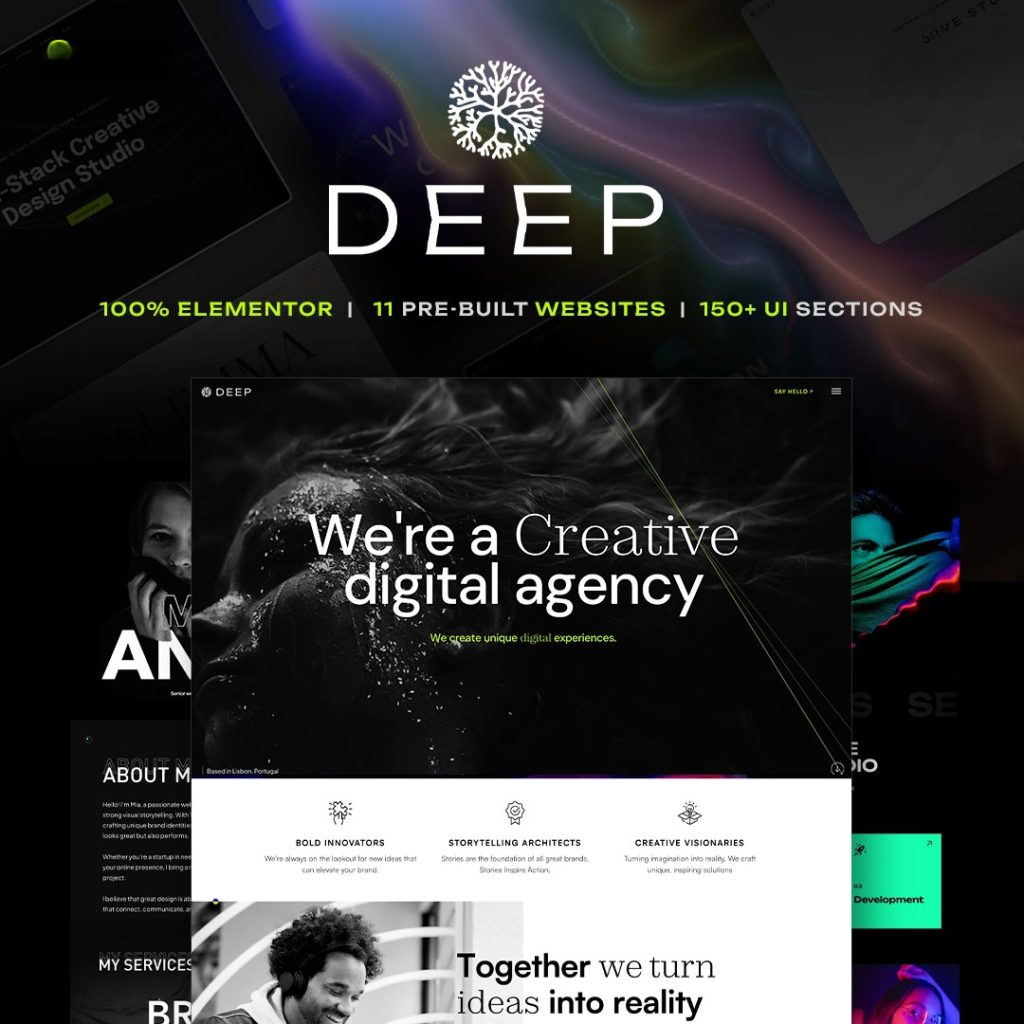
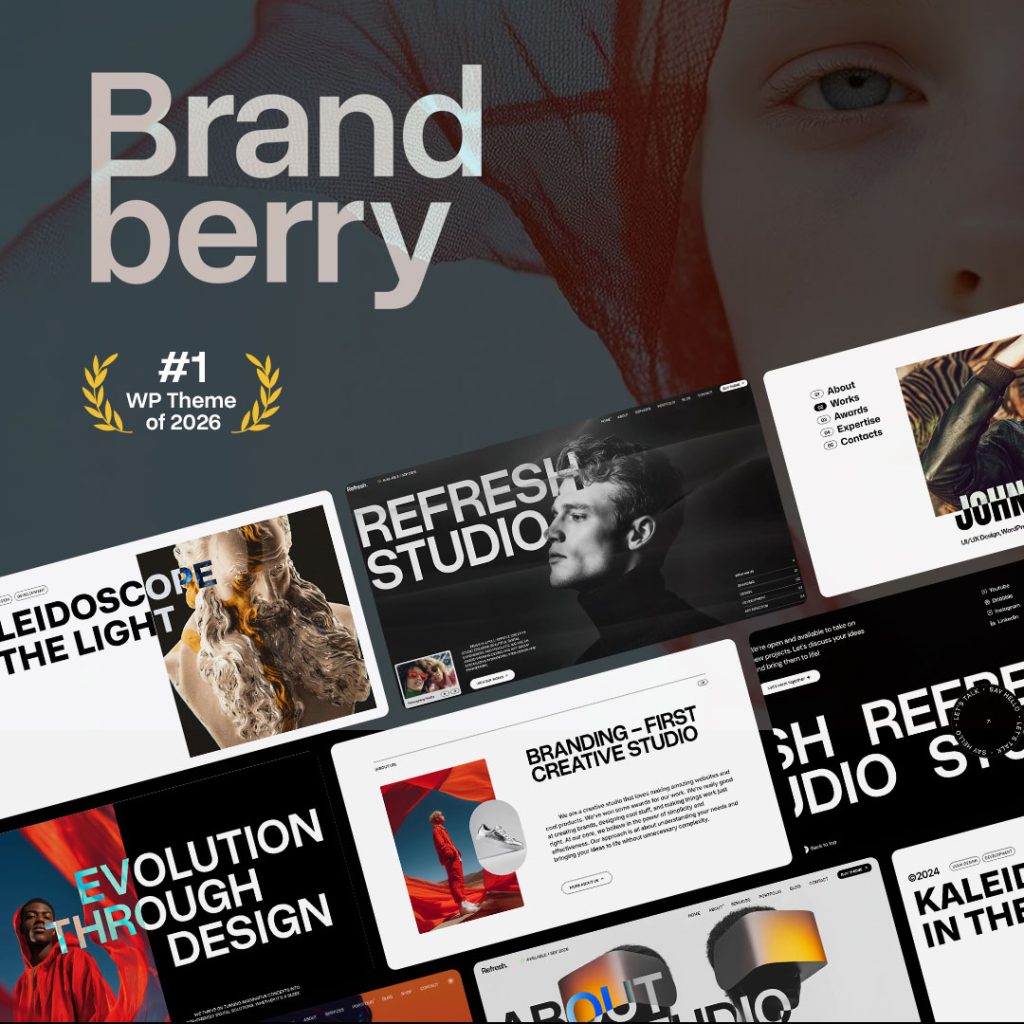
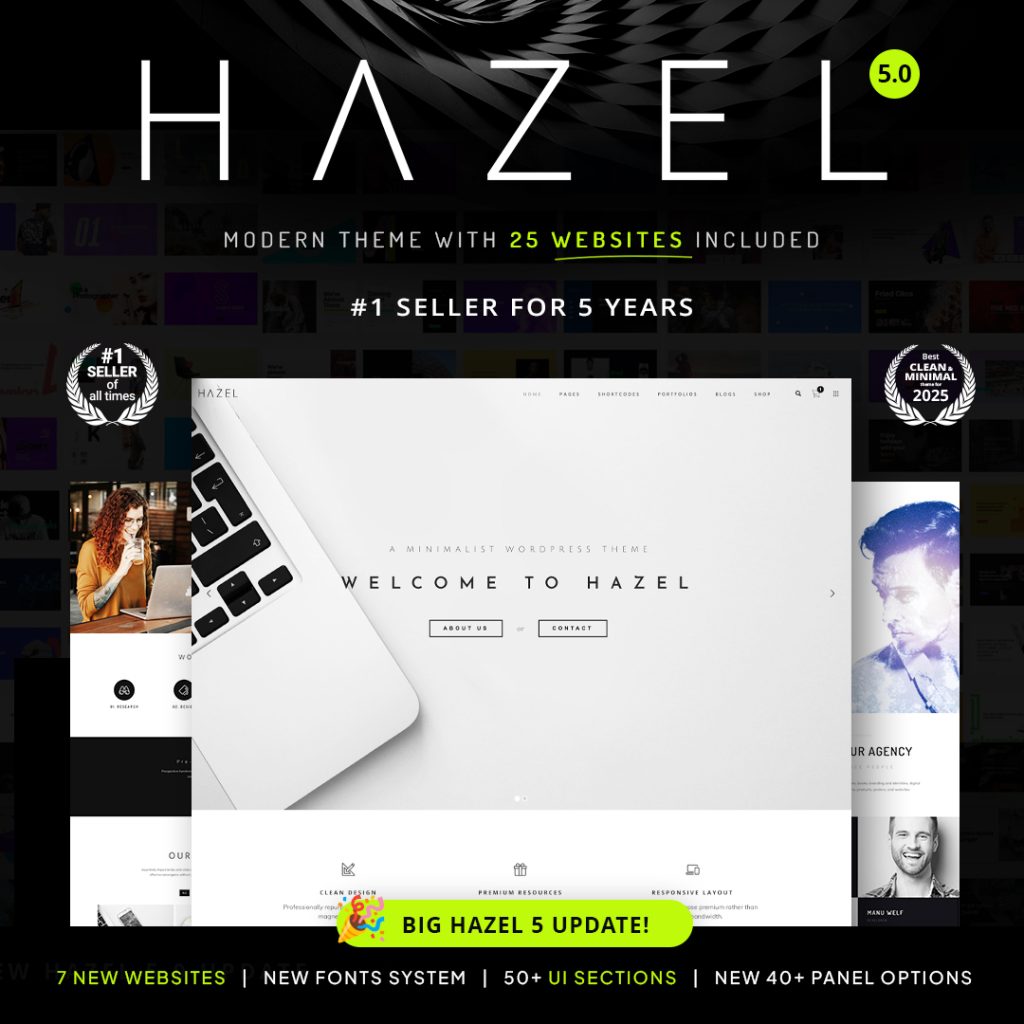
Single-theme purchases keep scope tight. They are perfect for boutique builds where Deep or Brandberry or Hazel is obviously the fit and you will not be pitch-testing three demos next month.
Choose All Access when
You ship multiple WordPress sites per year. You prototype with different demos before locking creative. Your agency wants a shared toolbox instead of per-project shopping. You value update access across the catalog without re-buying.
All Access is less about collecting demos and more about removing friction from sales calls: you can say yes to more briefs without restarting the purchase cycle every time a new niche appears.
A simple ROI sketch
If a single theme covers one client build, and you already know you will need a second distinct look this year, compare the catalog pass against two or three individual licenses. Agencies often cross the break-even line faster than expected—especially when demos are part of pitching, not only delivery.
Include soft costs: time spent re-purchasing, waiting on invoices, and arguing which entity owns which key. Catalog access often pays for itself in reduced admin, not only in raw license math.
What All Access is not
It is not a substitute for project discovery. You still choose the right personality for the brand. It is also not unlimited human support for endless custom PHP. Support windows and fair-use expectations still apply—read them on the product page before you buy.
It is not a license to ignore staging discipline. You still need clean domains, activations, and handoff documentation for each client.
Licensing hygiene either way
Record which license key sits on which domain. Separate staging and production activations when your plan requires it. Do not share one seat across unrelated client companies unless your license explicitly allows it.
Put license ownership in the SOW. Ambiguity here creates uncomfortable conversations years later when someone wants a microsite “on the same theme.”
How agencies usually decide in practice
Most agencies do not decide with a spreadsheet first—they decide after the second awkward purchase. Someone needed a different look for a pitch last month, bought another theme, then realized the catalog pass would have been cheaper and cleaner.
A healthier ritual is quarterly: count launches and serious prototypes. If you crossed two distinct theme personalities, model All Access for the next year. If you shipped one site and loved it, stay single-theme and revisit later.
Also consider brand risk. Clients sometimes ask for a look you already used. Catalog breadth helps you say yes without cloning a previous homepage. That flexibility is part of the commercial value, not just the download count.
Next steps
Freelancer with occasional launches: start single-theme, upgrade when the second purchase is inevitable. Agency or productized service: evaluate All Access first. Not sure? Tell us how many sites you ship yearly.
How TreeThemes thinks about this
We build and support premium WordPress themes for people who ship real client work—not disposable demos. That means we care about licensing clarity, Elementor workflows, and practical performance as much as visual polish. When you use our catalog, you are choosing a product line meant to survive revisions, handoffs, and the messy middle of real projects.
If you want a second pair of eyes on your stack—theme choice, setup, or customization—reach out. We would rather help you pick once than watch a rebuild become inevitable.
Scenarios that clarify the choice
Scenario A: A freelancer lands two branding sites this year, both needing a calm multi-purpose look. One Hazel license may be enough if the second site can share the same personality without looking identical. Customize thoughtfully and you may never need All Access.
Scenario B: An agency pitches education, SaaS, and creative studio work in the same quarter. They need different demo languages quickly. All Access reduces shopping friction and keeps licenses organized under one commercial relationship.
Scenario C: An in-house marketer rebuilds one company site and will not touch WordPress again for eighteen months. Buy the single best-fit theme, finish the project, and stop. Catalog access would be unused shelf space.
Write your scenario down before checkout. The right answer becomes obvious once you stop shopping emotionally and start matching purchase shape to shipping rhythm.
After you buy
Whether single or All Access, create a private note with key, domains, and support dates. Share it with whoever handles renewals. Future migrations and staff changes are when missing notes become expensive. Then pick the first demo, install on staging, and begin the real work—the purchase is only the starting line.
)