There is no perfect one-click converter for complex Divi or WPBakery sites. Anyone promising otherwise is selling hope. A sane migration treats Elementor as a rebuild with a content inventory—not a file format swap. Teams switch because hiring markets standardize on Elementor, global styles beat nested shortcodes, and ecosystems like TreeThemes assume visual editing. Those reasons are valid—as long as the budget matches the work.
Phase 0 — Inventory
List templates: header, footer, home, inner pages, blog, CPT archives, popups. Note third-party shortcodes and mystery modules. Screenshot key pages. Export a spreadsheet of URL, purpose, and must-keep modules. Decide what can redirect instead of rebuild.
Phase 1 — Design system first
In Elementor, define typography, colors, button styles, and container widths before rebuilding pages. If you start with the homepage hero, you will reinvent spacing twenty times and the site will never feel consistent.
Phase 2 — Rebuild in priority order
Start with global header and footer, then home and top landing pages, then contact and conversion forms, then blog archives, then low-traffic legacy pages—or redirect them. Priority order protects revenue while migration is unfinished.
Phase 3 — Theme choice
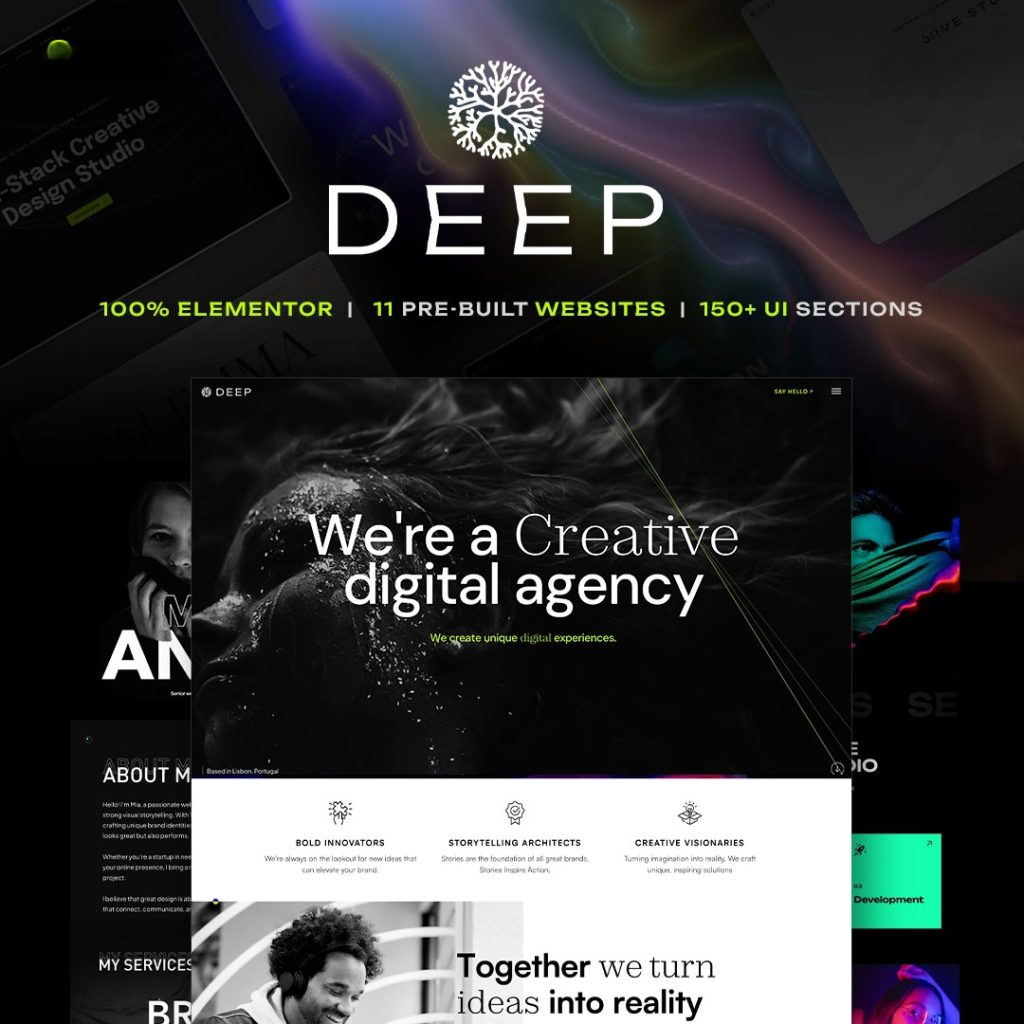
Pick an Elementor-first theme that matches brand energy—Deep, Brandberry, Hazel, or Resonance—then build on that foundation instead of fighting leftover classic options.
Phase 4 — Cut over
QA on staging with production-like content. Maintain a redirect map for retired URLs. Disable old builders only after new templates are assigned. Monitor forms and analytics for seventy-two hours post-launch.
Budget honestly
Migrations fail when sold as a theme swap. Sell them as structured redesigns with Elementor standards. If you need a partner, explore our migration services.
What to keep versus rewrite
Keep brand assets, approved copy, SEO URLs when they still match intent, and analytics configuration. Rewrite layout systems, shortcode-based modules, and fragile custom CSS tied to old builder classes.
Beware of compatibility layers that leave old builders installed forever. Migration is finished when the old builder is removable without blank pages. Until then, you are hosting two design systems and paying twice in complexity.
Communicate progress with stakeholders using the inventory spreadsheet: percent of priority URLs rebuilt, not percent of overall feeling done. Feelings slip; URL lists do not.
Next steps
Ready to plan a migration? Contact TreeThemes with your URL and builder, and we will help you scope the honest path.
How TreeThemes thinks about this
We build and support premium WordPress themes for people who ship real client work—not disposable demos. That means we care about licensing clarity, Elementor workflows, and practical performance as much as visual polish. When you use our catalog, you are choosing a product line meant to survive revisions, handoffs, and the messy middle of real projects.
If you want a second pair of eyes on your stack—theme choice, setup, or customization—reach out. We would rather help you pick once than watch a rebuild become inevitable.
Common pitfalls mid-migration
Do not redesign every page to a new art direction while migrating. Scope creep turns a migration into an unpaid rebrand. Lock visual direction early with the chosen TreeThemes personality, then move content into that system.
Do not leave “temporary” custom CSS that targets old builder classes. It will break when those classes disappear and nobody will remember why. Prefer Elementor-native spacing and global styles.
Do not migrate blog archives last if content marketing drives traffic. Search visitors hitting ugly interim templates create a false narrative that “Elementor made the site worse.” Sequence visibility carefully.
Success criteria
Migration succeeds when old builders can be removed, priority URLs match or redirect cleanly, forms convert, Core Web Vitals are at least no worse on key templates, and the client can edit without fear. Celebrate that—not the day the first homepage draft looked prettier in staging.
SEO during migration
Preserve high-value URLs when possible. Where structure must change, use 301 redirects and update internal links. Submit sitemaps after cutover. Watch Search Console for spikes in 404s during the first two weeks.
Avoid noindexing production by accident when copying staging settings. It happens more often than teams admit. Add an explicit go-live checklist item: robots and canonicals verified on the live hostname.
Content parity matters for rankings. If a migrated page is thinner than the original, say so and schedule enrichment. Migrations that silently drop sections create ranking and trust debt.
Key takeaways
- Decide with constraints first: audience, builder, timeline, and commercial model.
- Prefer maintainable systems over one-off demo magic that only looks good on day one.
- Protect conversion paths—forms, cart, checkout—whenever you optimize for speed.
- Document licenses, templates, and edit rules so handoffs do not become support debt.
- Use TreeThemes products and services as leverage: the right theme personality plus clear process beats endless redesign cycles.
If you apply even half of the practices in this article on your next launch, you will spend less time fighting tools and more time shipping work clients can grow into. That is the standard we aim for across the TreeThemes catalog.